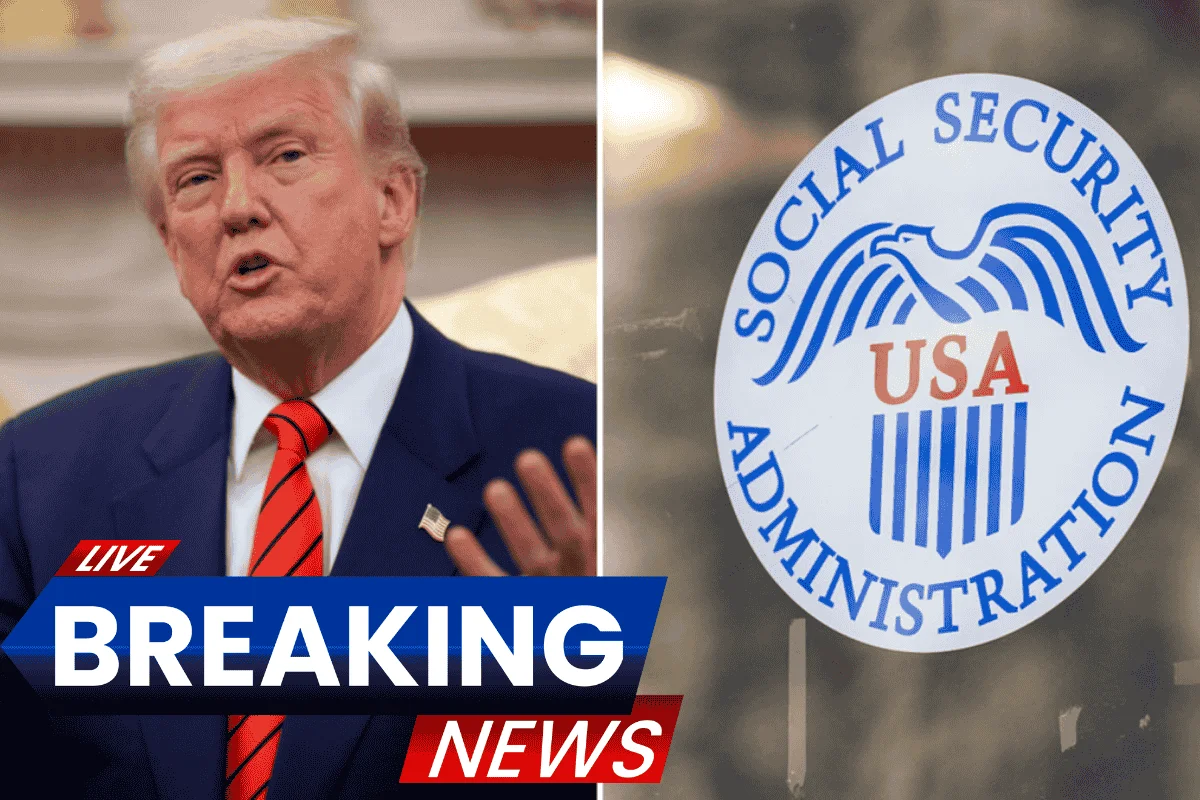
Millions of Americans who receive Social Security and other federal benefits have been hearing about a big change: the end of paper checks. The U.S. government had planned to stop mailing benefit checks from September 30, 2025, urging everyone to switch to digital payments.
But now, in a welcome move, officials are taking a more flexible approach giving extra time and support to those who still rely on paper.
Why the Government Wants to Go Digital
The main reason is simple: electronic payments are faster, safer, and much cheaper. Instead of sending physical checks by post, the money goes directly into your bank account or onto a government-issued debit card called the Direct Express® Card.
Here’s why digital is better:
- Fewer delays: Payments reach you faster than waiting for a mailed check.
- Less risk: Direct deposits are 16 times safer than paper checks, which can get lost or stolen.
- Lower cost: The government saves millions by cutting postage and printing costs.
With nearly 99.4% of people already using digital payments, officials hoped the final switch would be smooth.
The Original Plan: Paper Checks to End in 2025
Back in August 2025, the U.S. Treasury announced a clear deadline: September 30, 2025, would be the last day most people could receive paper checks for federal benefits.
This plan was part of a new law:
“Modernizing Payments to and From America’s Bank Accounts”
The Social Security Administration (SSA) supported this shift, offering two digital options:
- Direct deposit to your bank account
- Direct Express® Card, for those without a bank account
Officials began spreading the word through ads, emails, and public service announcements.
A Softer Approach: Paper Checks Still Available for Some
But by late September 2025, the tone changed. The SSA updated its message, saying that paper checks will still be allowed in certain cases, especially for people who truly can’t use electronic options.
You may still qualify for paper checks if:
- You’re a senior who isn’t comfortable with technology
- You live in a rural area with poor internet or no nearby bank
- You don’t have a smartphone or bank account
This change came after feedback from citizens and advocacy groups who said the strict deadline would hurt the most vulnerable.
IRS Confirms $2,000 Direct Deposit for January, 2026 – New Payment Dates and Eligibility Guide
Why This Matters to Millions
Many older Americans feel safer with paper checks it’s what they’ve always used. A sudden stop in paper checks could lead to confusion, missed payments, and unnecessary stress.
The updated plan shows that the government is listening. They know that progress shouldn’t leave people behind.
What You Should Do If You Still Get Paper Checks
If you’re still receiving paper checks, here’s what you can do:
- Option 1: Switch to direct deposit.
If you have a bank account, this is the fastest and safest method. - Option 2: Get a Direct Express® Card.
This card doesn’t require a bank account. It works like a regular debit card. - Option 3: Apply for a paper check exemption.
If you truly can’t go digital, contact the U.S. Treasury’s payment center and explain your situation. You may be allowed to continue receiving paper checks.
Striking a Balance: Progress with Compassion
While the government wants to modernise payments, it also knows that one-size-fits-all doesn’t work for everyone. The SSA’s decision to allow exemptions is about fairness.
Here’s what they’re doing to help:
- More community outreach and help centers
- Support through senior citizen groups and local banks
- Clear information about switching methods and exemptions
This is a shift, not a shutdown. The goal is still digital — but at a pace that works for all.
What’s Next for Federal Benefit Payments?
Though the September 30, 2025 deadline still stands officially, it’s no longer a strict rule. The new approach focuses on:
- Education over enforcement
- Helping people understand and prepare
- Supporting those who need more time
Expect to see more ads, helplines, and community programs to assist with the transition.
The government will also continue promoting electronic payments because they make the system stronger and safer for everyone. But now, those who truly can’t switch won’t be left out — and that’s a win for fairness.
The U.S. government’s push to end paper checks for federal benefits is about making payments safer, faster, and more efficient. But in a thoughtful move, they’ve eased the transition to make sure no one is left behind.
Whether you’re ready to go digital now or need more time, there are clear options and support available. The shift may be gradual, but the goal remains the same: reliable payments for every American, in a way that works for them.
FAQ
Q1: Will paper checks for Social Security completely stop in 2026?
No. The SSA has clarified that people who can’t use electronic payments will still receive paper checks beyond the deadline.
Q2: Who can still receive paper checks for federal benefits?
Seniors, rural residents, and people without internet or bank access may qualify for continued paper payments.
Q3: How do I switch to electronic payments?
You can sign up for direct deposit with your bank or apply for the government-backed Direct Express® debit card.
Q4: Is there a strict deadline to apply for exemptions?
There’s no hard deadline, but it’s best to apply before September 30, 2025, to avoid delays in payments.
Q5: Are electronic payments really safer than checks?
Yes. They’re quicker, cost less, and are far less likely to be lost or stolen compared to mailed checks
